
An origin story, not a tool demo
On 24 June 2024, Toys“R”Us Studios and the creative studio Native Foreign announced a film built around the childhood imagination of company founder Charles Lazarus. The brand said the film used OpenAI’s Sora, and the agency’s project page presents the finished work and its creative framing. These are first-party accounts of a commissioned brand film; they establish the project and its stated tool use, not an independently audited production log.
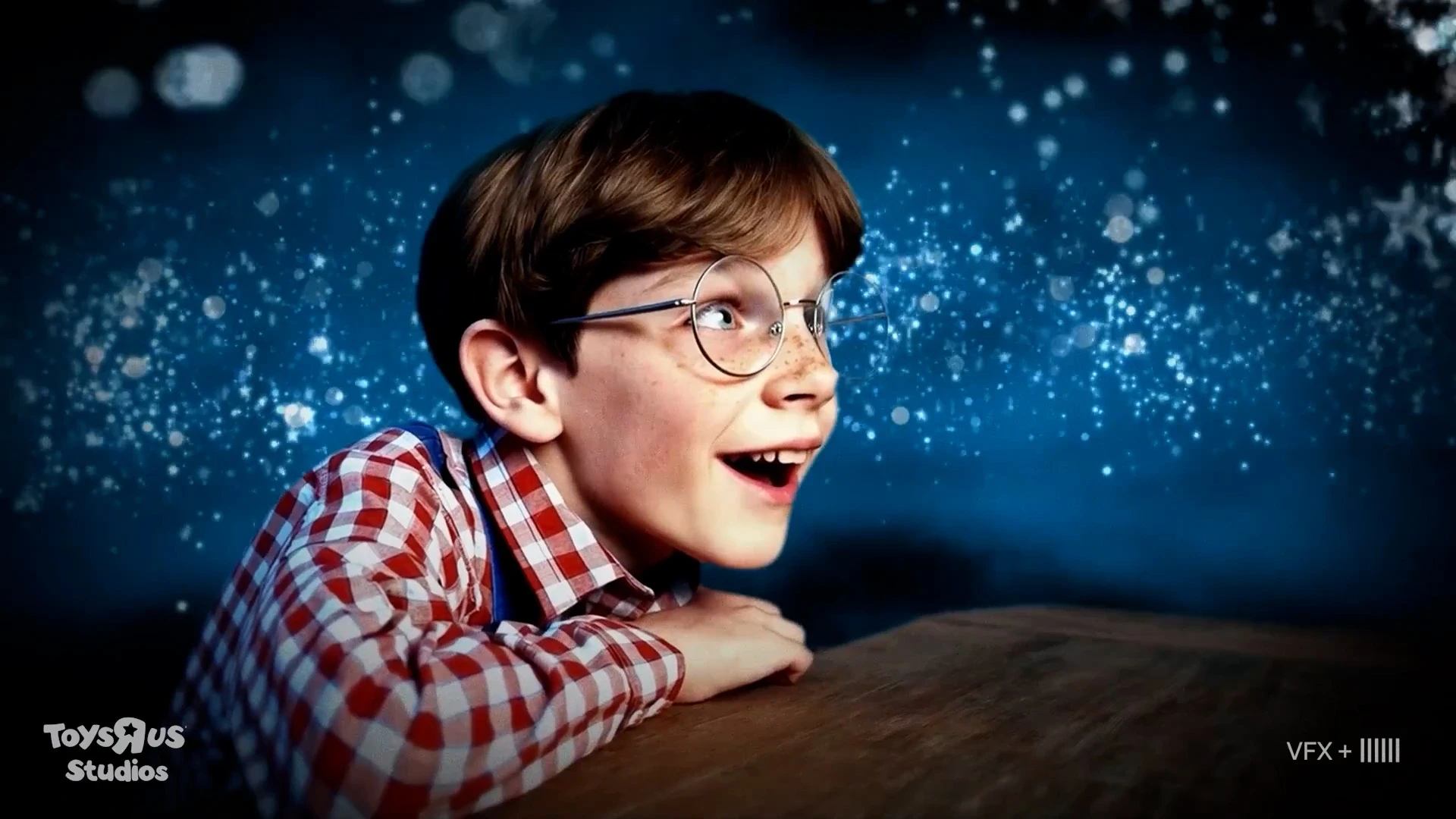
The film’s selling point is not a list of prompts. A child’s night-time dream gives it a familiar narrative bridge between domestic space and an oversized toy-store world. That choice gives generated spectacle a job: to externalize an imagined future. The audience can understand the transition even without knowing which shots were generated, photographed or composited.
What the image needs to carry
The blue-lit bedroom frame gives the story a human scale before the fantasy expands. For a filmmaker, it is a reminder to design an anchor shot: a face, a room, a gesture or a sound that tells viewers where to stand emotionally. A string of impressive images would be less useful if the audience could not follow why the child is seeing them.
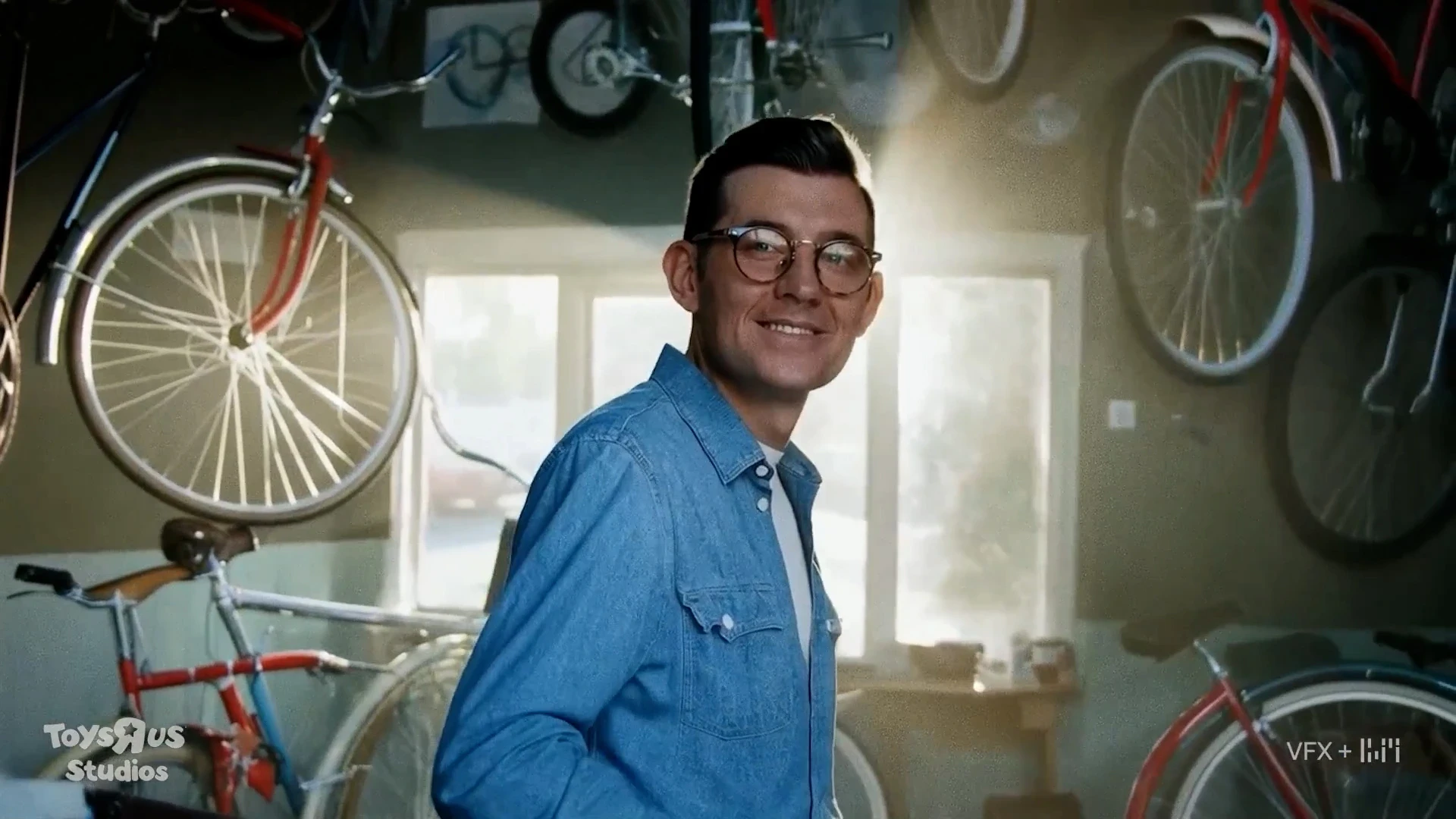
Brand origin stories also carry a particular burden. They can imply historical truth while using imaginative reconstruction. The film is a dramatization, not documentary evidence of Lazarus’s childhood. Treating it that way helps separate the emotional premise from archival claims. The agency describes its own contribution; that description should not be inflated into a universal recipe for small teams.
Questions to take into the next brief
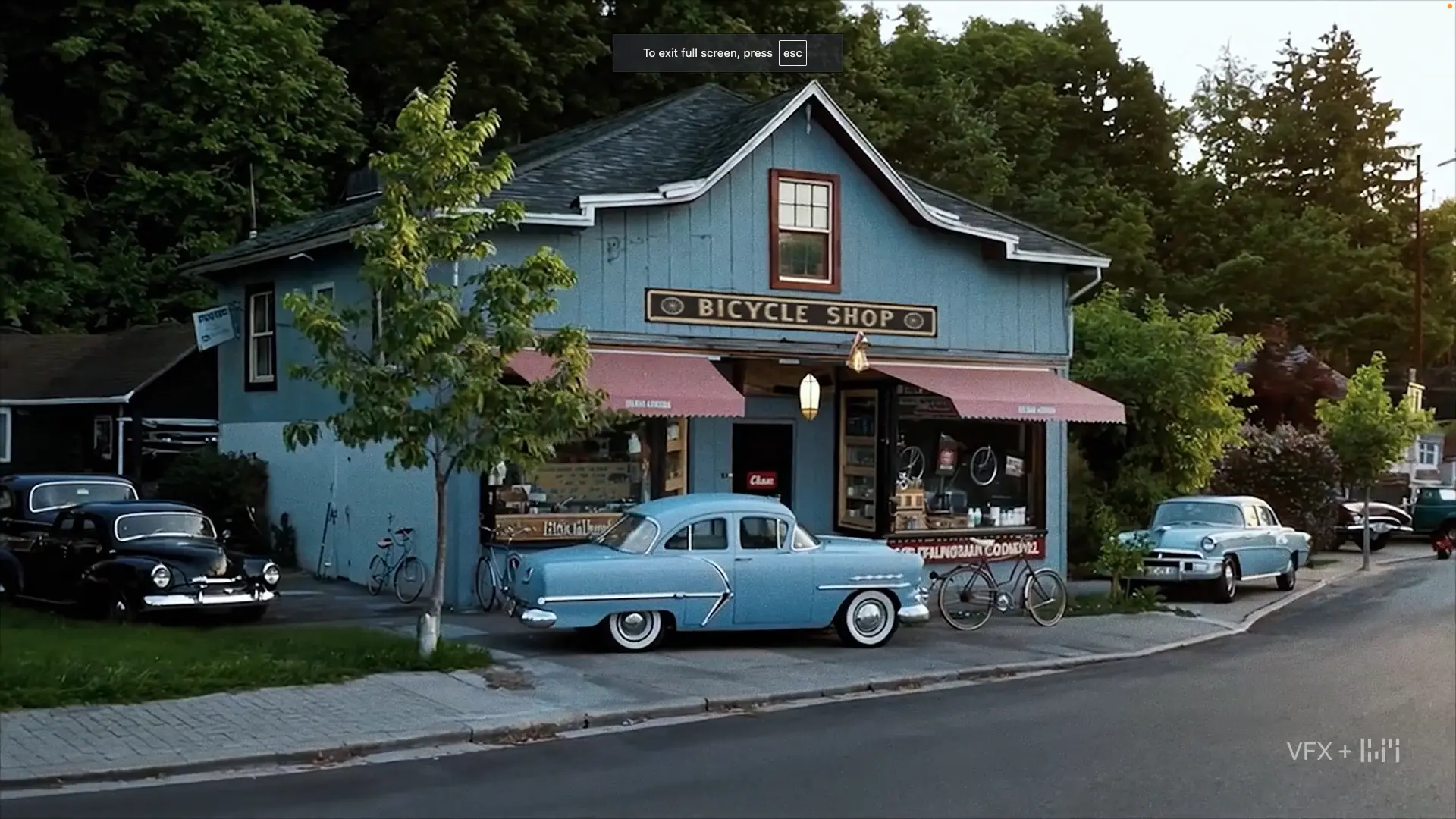
Before generating a frame for an existing brand, decide which visual elements are fixed: marks, products, recurring characters and eras. Keep those references in a rights ledger, then review continuity across the whole cut. A convincing single shot can still fail beside the next one if a toy changes shape or an environment loses its geography.
Ask who can approve a brand likeness, which archive material may be used as a model reference, and who checks the final depiction. The public release does not provide a complete answer about training inputs, clearance, budget, number of attempts or post-production labor. None should be inferred from the finish of the film. The useful lesson is the structure: make the generated world answer a story question, and put human review at every transition.
Sources & context
- Native Foreign · project page and film visuals
- Toys“R”Us Studios / Native Foreign announcement (24 Jun 2024)
- Toys“R”Us Studios · official film page
Sources checked 16 September 2026. Claims about process come from the makers; Screen Method did not interview the team or inspect production files. This article was prepared in 2026, not published in 2024.