
The film record
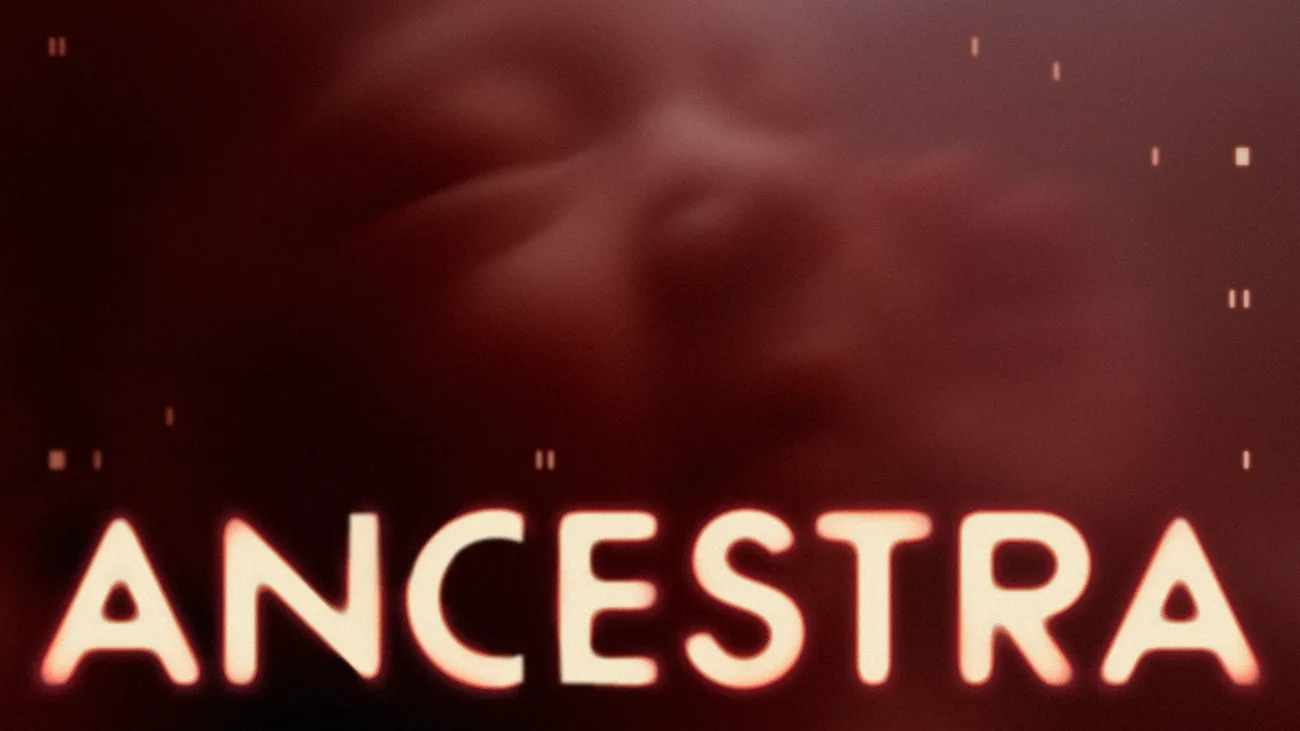
Eliza McNitt wrote and directed ANCESTRA, which premiered at Tribeca on 13 June 2025. The festival describes an intimate story drawn from family memory and a birth emergency. Its listing identifies the film as a Primordial Soup and Google DeepMind partnership and names McNitt, cast, and creative leads. This is a genuine film and festival record, not a claim that every frame was generated.
Google's behind-the-scenes account describes a hybrid: live-action scenes with generated sequences, a storyboard artist for the filmed scenes, and a wider team of animators, designers, researchers, VFX artists, sound designers, musicians, cast, crew, and editors. Google says more than 200 people were involved. That figure is a first-party production claim, not our independent headcount.
The reported method
According to Google, family photographs informed aesthetic descriptions; Imagen helped form concept art; Veo animated generated imagery; and Gemini assisted prompt development. The team also reported developing capabilities to match camera motion and blend live-action with generated material. The interesting craft problem is the seam: matching a generated shot's motion, colour, subject and emotional scale to a performance photographed on set.
For a similar hybrid plan, mark which beats require a real performance, which can be represented by a generated image, and which need compositing. Assign a human owner to every handoff. Record reference provenance before it enters a model, and keep a separate rights ledger for likeness, archive photographs, voices and music.
What this case can teach
The public account shows one well-resourced collaboration. It does not establish a general cost saving, minimum crew size, or reproducible shot success rate. The festival page's 45-minute entry includes a screening and conversation; it should not be mistaken for the short film's runtime. A small independent team can learn from the handoff design without pretending to have the same research support or production conditions.
The central lesson is editorial: decide where generated imagery carries meaning, then test every transition back into photographed action. A technical demonstration becomes cinema only if the story survives those transitions.
Sources & context
- Tribeca · ANCESTRA programme and credits (2025 festival record)
- Google DeepMind · behind the scenes (13 Jun 2025)
Sources checked 16 September 2026. The production workflow is attributed to its makers; Screen Method did not interview them or audit project files.